




Luxury wooden fencing has remained one of the most respected architectural exterior elements for centuries. While modern materials such as vinyl and composite promise convenience, premium woods still dominate high-end residential landscapes due to their natural grain, longevity, and aesthetic warmth. Homeowners seeking both privacy and beauty often conclude that real wood provides a level of refinement that imitation materials cannot genuinely replicate. The choice of a Premium Wooden Fencing enhances the overall elegance of any property. Investing in Premium Wooden Fencing is a decision that brings lasting value and sophistication.
What Defines a Luxury Wooden Fence
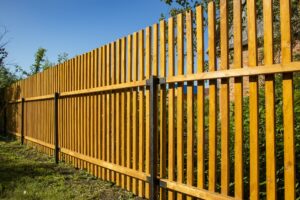
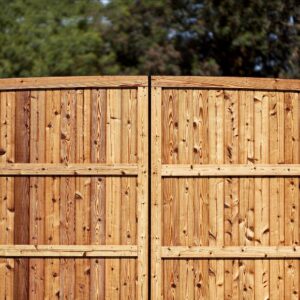
Luxury fencing is not simply “wood instead of vinyl.” It involves select timber species, proper milling, precision joinery, and professional finishing systems. True high-end fences commonly use cedar, redwood, ipe, teak, cypress, and mahogany — all of which are valued for structural stability, pest resistance, and weather endurance. For example, the Canadian Wood Council (CWC) notes that species like Western red cedar, redwood, and yellow cypress naturally resist decay thanks to protective “extractives” in their heartwood. CWC
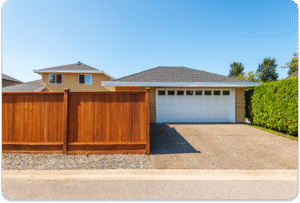
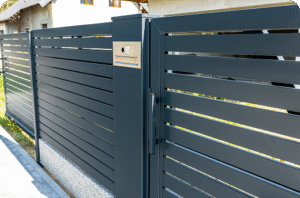
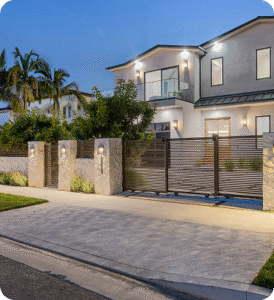
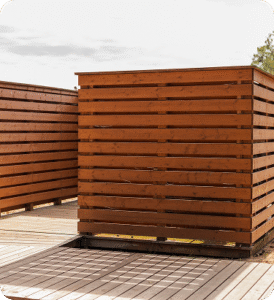
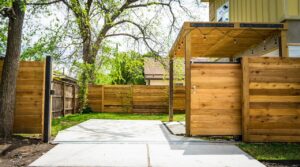
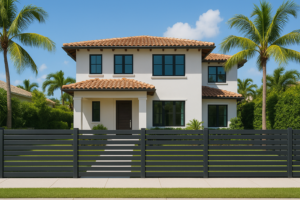
Design also plays a defining role. Luxury installations often incorporate horizontal slat configurations, estate-grade privacy panels, integrated lighting, or custom accents. These elements merge architectural intention with landscape flow rather than serving as a simple boundary.
Luxury Wood vs. Composite and Vinyl Systems
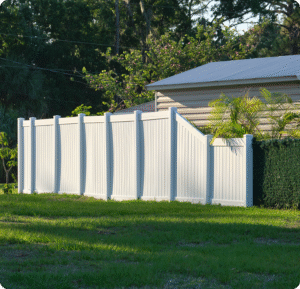
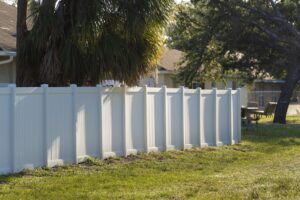
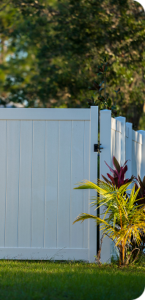
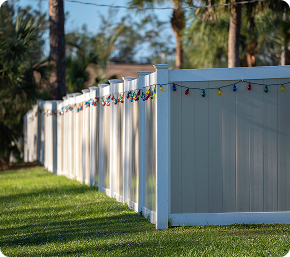
Vinyl and composite systems are frequently marketed as maintenance-free alternatives, but the trade-off is visual authenticity. Though stabilized polymers resist weathering, they lack the tactile variation, natural grain, and tonal depth that luxury homebuyers expect. Composite installations can warp under extreme heat, and vinyl may discolor over time despite UV inhibitors. Hardwood, conversely, ages into richer hues, developing patina and depth rather than fading flat.
More fundamentally: luxury wooden fences underscore craftsmanship — the kind of details that vinyl/composite simply can’t replicate. This distinction is why homeowners concerned with aesthetics, longevity, and property value often continue to favor real wood.
Maintenance as Preservation, Not Burden
One of the misconceptions about wooden fencing is that maintenance equals inconvenience. In higher-end exterior architecture, maintenance is understood as preservation of value. For example, woods like cedar are popular for fences precisely because their natural oils repel insects and resist decay, helping the fence last decades with proper care. Shur-way Building Center+2Capital Forest Products+2
A luxury wood fence should be sealed every two to four years depending on climate exposure. Oil-based stains are often recommended for hardwoods, as they penetrate deeply, maintain moisture balance, and highlight grain irregularities rather than masking them. With routine cleaning, sealing, and care, a well-built wooden fence can maintain structural integrity and beauty over many years.
The Aesthetic Argument: Why Luxury Still Chooses Wood
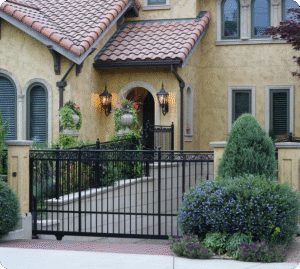
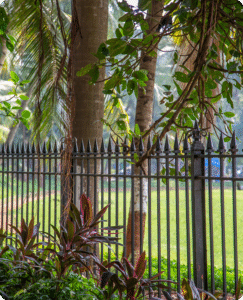
Luxury wooden fences accomplish what composite cannot: emotional texture. They soften landscaping, frame gardens in organic lines, and create privacy without visual sterility. Their presence feels intentional rather than manufactured. When paired with custom gates, iron accents, or stone columns, wooden fences become architectural statements, not just structures.
This plays into a broader design philosophy known as Biophilic Design: the idea that humans feel innately connected to nature, and spaces that incorporate natural materials and elements improve well-being, reduce stress, and foster comfort. Global Wellness Institute+2PMC+2
Multiple studies have linked biophilic-inspired environments — with natural wood, textures, light, and materials — to improved emotional balance, mental health, and sense of harmony. ResearchGate+2Journal of People Plants Environment+2
Conclusion
Luxury wooden fences are not simply barriers — they are curated features that anchor a property’s exterior identity. They express craftsmanship, communicate value, and age with grace rather than degrading. When installed and maintained using professional standards, premium wood can outshine and outlast many modern substitutes in both resale value and aesthetic influence.
Homeowners seeking sophistication, privacy, and long-term architectural harmony consistently return to luxury wood for one reason: no replica has ever truly surpassed the real thing.